
Dr Sakshi Kumari
During my obstetrics and gynaecology posting as a junior doctor, I met a woman whose story changed what medicine meant to me. She was around forty, quiet and tense, admitted for evaluation of primary amenorrhoea and difficulty with intercourse. During the per‑vaginal examination, my senior and I struggled to identify a normal vaginal canal. Subsequent imaging confirmed what the exam had suggested: she had Mayer–Rokitansky–Küster–Hauser (MRKH) syndrome type 1, a condition in which a woman is born with an underdeveloped or absent uterus and upper vagina, despite normal external genitalia and secondary sexual characteristics. She had never had a menstrual period because she did not have a functional uterus.
Later, when we sat together at her bedside, she slowly shared the years that had led her here. As a teenager, when her friends began to menstruate and she did not, her mother took her not to a hospital but to a local healer who promised that a few tablets and tonics would “bring on her menses.” A decade passed in this cycle of hope and disappointment, moving from one quack or homeopathic practitioner to another, each blaming “hormones,” diet, or fate but none offering a proper examination or referral. In a setting where menstruation and sexuality were never openly discussed, she grew up believing that the problem was a private shame she had to hide, not a medical issue she deserved help for.
At twenty‑five, she entered an arranged marriage without disclosing that she had never menstruated. Penetrative intercourse was difficult and often impossible, and within a short time her husband discovered that her vagina “was not like other women’s.” Instead of seeking care together, fear and stigma kept them both silent. They avoided doctors, worried about being judged, and over the next fifteen years their relationship eroded. He started seeking intimacy outside the marriage; she internalised the blame, convinced that her body had failed him. By the time she finally walked into our government hospital, she carried not only undiagnosed MRKH but also years of guilt, isolation, and emotional abuse, burdens that are well‑documented among women with this condition.
Once the diagnosis was clear, our team discussed options: counselling, creation of a functional vagina through vaginoplasty to improve sexual function, and future possibilities for parenthood through alternatives like adoption or, where available, assisted reproductive options using her ovaries and a gestational carrier.[2][8] She became particularly close to me during her stay, often asking me to sit for a few minutes after rounds so she could talk—not only about the planned surgery, but about her fears: “Will I ever feel normal? Will my husband really stay?” To my surprise, her husband began attending the counselling sessions; he admitted his infidelity, expressed remorse, and started asking questions about how they could rebuild intimacy and a life together. It was the first time either of them had spoken about sex, fertility, or her body in a clinical space without ridicule.
On the day of her vaginoplasty, my schedule placed me in paediatrics, far from the operating theatre. I felt oddly restless, thinking about her and checking for updates between cases. When I returned to the gynaecology ward the next morning, she saw me, burst into tears, and reached out to hug me. “Thank you for listening,” she whispered, even though I had not done the surgery, written the operative notes, or taken any heroic decision. In that moment, I realised that what had mattered most to her was not the technical act of creating a neovagina, but the simple experience of being heard, believed, and treated without judgment. This encounter taught me that in reproductive health, conditions which disrupt menstruation, fertility, sexuality, and identity, empathy and non‑judgmental conversation can be as transformative as any operation or drug.
Dr Sakshi Kumari is a resident doctor and emerging clinical researcher interested in women’s health, mental health, and narrative medicine. She uses writing to reflect on patient encounters, explore stigma around illness, and advocate for compassionate, person‑centred care.
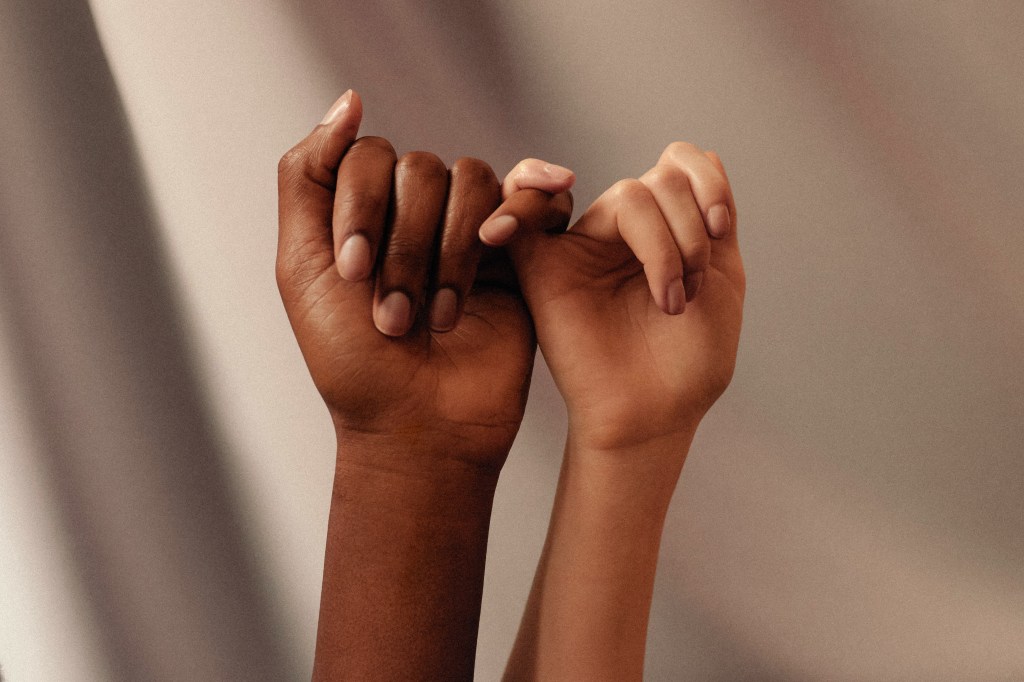
Photo by Womanizer Toys on Unsplash


Leave a comment